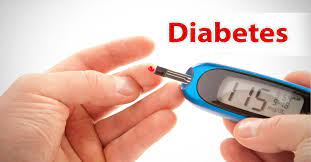
Your Sugar Is High—What Should You Do Next?
You had a routine health check and your blood sugar came back higher than expected. You feel normal, so your first thought is probably, “I'll just stop eating sweets.”
But diabetes is rarely that simple.
If your blood sugar remains high, the important step is to understand why it is happening, how serious it is, and what kind of management you actually need.
Good diabetes management is not about following a strict diet for two weeks. It is about creating a plan you can maintain for years.
Start With a Proper Assessment
One abnormal blood sugar reading does not tell the complete story.
Your doctor may look at fasting glucose, post-meal readings, HbA1c, your symptoms, family history, weight and other health factors before deciding whether you have diabetes or prediabetes and what should happen next.
You should consider professional diabetes care if:
-
Your blood sugar repeatedly stays high.
-
Your HbA1c is elevated.
-
You have recently been diagnosed with diabetes.
-
Your medicines are no longer controlling your sugar.
-
Your readings fluctuate significantly.
-
You experience frequent low-sugar episodes.
-
You have diabetes along with hypertension or high cholesterol.
-
You are experiencing excessive thirst or frequent urination.
-
You have concerns about your eyes, kidneys, nerves or feet.
Look Beyond One Number
Many people become obsessed with one glucose reading.
But diabetes management is about patterns.
Your doctor may want to know what happens before and after meals, how active you are, whether you are taking medicines regularly and how your readings change over time.
Keeping a simple record can make these patterns much easier to identify.
Don't Make Sugar the Only Enemy
Here's an important contrarian insight:
Managing diabetes is not simply about giving up sweets.
Reducing added sugar can be helpful, but blood glucose is influenced by much more than desserts.
Meal portions, carbohydrates, physical activity, sleep, stress, medication timing, weight and other health conditions can all affect your readings.
Instead of asking, “Which foods am I never allowed to eat again?” it can be more useful to ask, “What eating pattern can I realistically follow every day?”
The Scale of Diabetes Is Significant
Diabetes is a major health challenge in India.
The 2025 International Diabetes Federation Diabetes Atlas estimated that around 90 million adults aged 20–79 in India were living with diabetes in 2024.
That figure should not make you anxious. It should reinforce the importance of taking repeated abnormal readings seriously and getting appropriate guidance rather than delaying care.
Lifestyle Is Part of Treatment
Lifestyle changes can be an important part of diabetes management.
This may include:
-
Eating balanced meals
-
Watching portion sizes
-
Staying physically active
-
Maintaining a healthy weight
-
Getting adequate sleep
-
Managing stress
-
Avoiding tobacco
-
Limiting alcohol where appropriate
-
Taking prescribed medicines consistently
The key word is sustainable.
A plan that works for ten days but becomes impossible afterward is unlikely to help you long term.
Exercise Doesn't Have to Mean a Gym
You don't necessarily need an expensive gym membership to become more active.
Walking, cycling, household activity and other forms of regular movement can contribute to an active lifestyle.
Your appropriate activity level depends on your health, age and medical conditions, so discuss significant changes in exercise with your doctor if you have health concerns.
A Real-World Patient Example
Consider someone in their early 40s who discovers that their HbA1c is elevated during a routine check-up.
They initially try to manage the problem by completely eliminating sweets. However, their readings remain inconsistent because their overall meal pattern, physical activity and medication routine have not changed.
After receiving structured medical guidance, they begin tracking their readings, improving portions, becoming more active and following the recommended treatment plan.
The meaningful result is not a temporary “perfect” reading. It is having a routine that makes blood-sugar management more predictable and manageable.
What Your Diabetes Doctor May Review
A proper diabetes consultation can involve much more than checking glucose.
Your doctor may review:
-
Fasting blood sugar
-
Post-meal blood sugar
-
HbA1c
-
Blood pressure
-
Cholesterol
-
Kidney function
-
Weight and waist measurements
-
Current medicines
-
Diet and activity
-
Family history
-
Foot and nerve health
-
Eye-related concerns
-
Risk factors for complications
The exact tests and assessments depend on your individual situation.
Don't Ignore Low Sugar Either
People often focus entirely on high blood sugar.
But low blood sugar can also be a concern, particularly for people taking certain diabetes medicines.
Warning symptoms may include sweating, shaking, hunger, dizziness, weakness, confusion or unusual behavior.
If you experience repeated episodes of low blood sugar, tell your doctor. Your treatment plan may need review.
Meet Dr. Vipul Rustgi
Dr. Vipul Rustgi takes a practical approach to diabetes management, helping patients understand their blood-sugar patterns and the factors affecting them. His focus includes appropriate treatment, lifestyle guidance, regular monitoring and reducing the risk of long-term diabetes complications through consistent follow-up.
Main Specialties
Our diabetes management care includes:
-
Type 1 and Type 2 diabetes management
-
Prediabetes assessment
-
Blood sugar monitoring
-
HbA1c evaluation
-
Diabetes lifestyle guidance
-
Medication management
-
Diabetes with hypertension
-
Diabetes with cholesterol problems
-
Weight and metabolic health
-
Monitoring for diabetes-related complications
-
Long-term diabetes follow-up
Control Is a Long Game
You don't need to completely transform your lifestyle overnight.
Start with realistic changes. Improve your meals, move more, take medicines as prescribed and keep track of your readings.
Then review your progress with your doctor.
Diabetes management becomes much easier when you stop treating it as a short-term challenge and start treating it as an ongoing health routine.
Three Questions Patients Commonly Ask
1. Can diabetes be managed without medicine?
Some people with early or mild blood-sugar problems may improve significantly through lifestyle changes. Others need medication. The right approach depends on your glucose levels, overall health and individual risk.
2. How often should I check my blood sugar?
The appropriate frequency depends on your type of diabetes, treatment and health situation. Your doctor can recommend a monitoring schedule suited to you.
3. Can I eat sweets if I have diabetes?
Having diabetes does not necessarily mean every sweet food must be permanently banned. Portion size, frequency, overall diet and blood-sugar control matter. Discuss your individual diet with your healthcare professional.
Take the Next Step
If your blood sugar has repeatedly been high, don't wait for symptoms to become severe.
Bring your recent glucose and HbA1c reports, medication list and home readings to a consultation. Understanding your current condition is the first step toward building a plan that works in real life.
For dependable diabetes management in Rohini Sector 13, schedule a consultation with Dr. Vipul Rustgi and take action before uncontrolled blood sugar becomes a bigger problem.
- Diabetes Management in Rohini Sector 3
- Diabetes Management in Rohini Sector 4
- Diabetes Management in Rohini Sector 5
- Diabetes Management in Rohini Sector 6
| Tags: | #Diabetes Management in Rohini Sector 7 , #Diabetes Management in Rohini Sector 8 , #Diabetes Management in Rohini Sector 9 , #Diabetes Management in Rohini Sector 10 |


