Breathing Problems That Deserve Attention
You have been coughing for weeks. Maybe you get breathless after climbing a few stairs, wake up at night because of coughing, or keep using an inhaler without really knowing whether you are using it correctly.
It is easy to blame these problems on weather, pollution, allergies or a seasonal infection. But if breathing symptoms keep returning, it may be time to see a pulmonology physician.
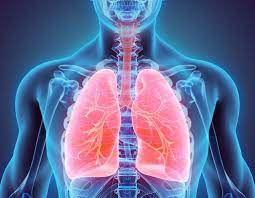
A pulmonology physician specializes in conditions affecting the lungs and respiratory system. The right evaluation can help identify whether your symptoms are caused by asthma, allergies, infection, COPD, sleep-related breathing problems or another lung condition.
Start With Your Symptoms
Not every cough needs specialist care. A short-term cough after a cold may settle on its own.
The concern increases when symptoms are persistent, severe, keep coming back, or interfere with normal activities.
You should consider consulting a pulmonology physician if you experience:
-
A cough that does not settle
-
Repeated wheezing or chest tightness
-
Breathlessness during routine activities
-
Difficulty breathing at night
-
Frequent chest infections
-
Coughing with mucus for a long time
-
Blood in your sputum
-
Loud or persistent snoring with daytime tiredness
-
Asthma symptoms that are not well controlled
-
Breathlessness that is gradually getting worse
Don't assume that getting older or being less active automatically explains breathlessness.
Your Breathing Pattern Matters
People often describe breathlessness simply as “I get tired quickly.” A doctor needs to understand more.
Does it happen while walking? At night? After exposure to dust? During exercise? Along with wheezing or chest pain?
These details can help a specialist decide what examinations or tests may be appropriate.
A Persistent Cough Is Not Always “Just Pollution”
Delhi's air quality can make respiratory symptoms more noticeable, but pollution should not become an excuse for ignoring persistent symptoms.
A cough may have several causes, including asthma, allergies, acid reflux, infections, smoking-related lung disease and other respiratory conditions.
The practical approach is simple: if the problem keeps returning, find out why rather than repeatedly treating the symptom yourself.
The Numbers Tell a Bigger Story
Respiratory disease remains a significant health concern in India.
The Global Burden of Disease 2021 study, published in The Lancet Respiratory Medicine in 2024, reported that chronic respiratory diseases continue to contribute substantially to illness and premature death worldwide.
That matters because lung problems are not limited to people who smoke. Non-smokers can also develop asthma, allergies, infections and other respiratory conditions.
Don't Wait Until Breathing Becomes Difficult
One common mistake we see is waiting for severe breathlessness before seeking medical advice.
That is not always the best strategy.
Some respiratory conditions can be managed more effectively when identified early. If symptoms are already affecting your sleep, work, exercise or everyday routine, that is a good reason to get them assessed.
Your Inhaler May Not Be the Problem
Here's a contrarian point worth remembering:
Using an inhaler repeatedly does not automatically mean your asthma or breathing condition is under control.
Sometimes the issue is incorrect inhaler technique, an unsuitable treatment plan, poor adherence, an unrecognized trigger, or even a completely different cause of the symptoms.
A pulmonology physician can review how you are using your medication and whether your treatment is actually addressing the underlying problem.
A Real-World Patient Example
Consider someone who develops recurring wheezing every winter.
Instead of getting a proper assessment, they repeatedly take cough medicines and occasionally use an inhaler recommended by someone they know. The symptoms improve temporarily but return every few months.
A specialist evaluation can change the approach by identifying the likely trigger, assessing lung function and creating a structured treatment and follow-up plan.
The important improvement is not simply getting temporary relief. It is understanding why the symptoms keep coming back and how to manage them properly.
What a Pulmonology Physician May Check
A consultation usually begins with your symptoms and medical history.
Depending on what the doctor finds, evaluation may include:
-
Chest examination
-
Oxygen saturation
-
Breathing pattern
-
Smoking or second-hand smoke exposure
-
Allergy and environmental triggers
-
Previous respiratory infections
-
Medication history
-
Lung function testing such as spirometry
-
Chest imaging when clinically appropriate
-
Sleep-related breathing assessment when needed
You do not necessarily need every test. The doctor decides based on your symptoms and examination.
Meet Dr. Vipul Rustgi
Dr. Vipul Rustgi provides patient-focused evaluation and management for respiratory concerns, with an emphasis on understanding symptoms, identifying possible causes and creating practical treatment plans. Patients can discuss recurring cough, breathing difficulty, wheezing and other respiratory concerns without waiting for symptoms to become severe.
Main Specialties
Our respiratory-focused care includes:
-
Asthma evaluation and management
-
Chronic cough assessment
-
Wheezing and breathing difficulty
-
Respiratory infections
-
COPD management
-
Allergy-related respiratory problems
-
Lung function evaluation
-
Sleep-related breathing concerns
-
Smoking-related respiratory issues
-
Long-term respiratory disease management
Better Breathing Starts With Understanding
You don't need to panic about every cough or episode of breathlessness.
But you also shouldn't keep ignoring symptoms that repeatedly affect your daily life.
Keep a simple record of your symptoms, note possible triggers and bring your current medicines or previous reports to your appointment. These small details can make a consultation much more useful.
Three Questions Patients Commonly Ask
1. Should I see a pulmonologist for a persistent cough?
If your cough lasts for an extended period, keeps returning, affects sleep, or comes with wheezing, breathlessness, fever, weight loss or blood in the sputum, medical evaluation is important.
2. What does a pulmonology physician treat?
Pulmonology physicians diagnose and manage conditions involving the lungs and respiratory system, including asthma, COPD, chronic cough, respiratory infections and several other breathing disorders.
3. Is breathlessness always a lung problem?
No. Breathlessness can have several possible causes, including heart conditions, anemia, poor fitness, anxiety and respiratory disease. A proper medical evaluation helps determine the likely cause.
Take the Next Step
A cough that keeps returning or breathlessness that is gradually limiting your routine deserves more than repeated self-treatment.
If you are struggling with persistent respiratory symptoms, consult a qualified pulmonology physician and get a proper evaluation instead of continuing to guess.
For dependable pulmonology physician care in Rohini sector 17, schedule a consultation with Dr. Vipul Rustgi and bring your previous reports, prescriptions and a list of your current symptoms. The sooner you understand the cause, the easier it can be to make an informed treatment plan.
- Pulmonology Physician in Rohini Sector 3
- Pulmonology Physician in Rohini Sector 4
- Pulmonology Physician in Rohini Sector 5
- Pulmonology Physician in Rohini Sector 6
| Tags: | #Pulmonology Physician in Rohini Sector 7 , #Pulmonology Physician in Rohini Sector 8 , #Pulmonology Physician in Rohini Sector 9 , #Pulmonology Physician in Rohini Sector 10 |


