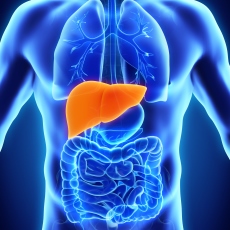
Signs Your Liver May Need Attention
You have been feeling unusually tired, your appetite has changed, or your doctor has told you that your liver enzymes are higher than normal. You feel fine otherwise, so you decide to wait and see if the numbers return to normal.
That is a common reaction. But liver problems can develop quietly, and some conditions may not cause obvious symptoms until they become more serious.
Understanding the warning signs and knowing when to consult a specialist can help you act before a small problem becomes a bigger one.
Start With the Warning Signs
The liver performs several important jobs, including processing nutrients, helping with digestion and removing waste from the body.
You should consider medical evaluation if you experience:
-
Persistent tiredness or weakness
-
Loss of appetite
-
Unexplained weight loss
-
Repeated nausea or vomiting
-
Pain or discomfort in the upper-right abdomen
-
Yellowing of the eyes or skin
-
Dark urine or unusually pale stools
-
Persistent itching
-
Swelling in the abdomen or legs
-
Abnormal liver-function test results
One symptom does not automatically mean that you have liver disease. However, persistent or unexplained symptoms deserve proper evaluation.
Your Blood Report Is a Clue
Many people discover a liver problem during a routine blood test.
Elevated liver enzymes do not necessarily mean that your liver is permanently damaged. They can have several possible causes, including fatty liver, alcohol use, medicines, viral infections and other conditions.
The important point is not to interpret the report yourself. A doctor can look at the numbers alongside your symptoms, medical history and other test results.
Fatty Liver Is Worth Taking Seriously
Fatty liver is increasingly being detected during routine health checks.
It can be associated with excess weight, diabetes, high cholesterol, high blood pressure and other metabolic problems. In some people, it can progress from simple fat accumulation to inflammation and liver damage.
The good news is that lifestyle changes can make a meaningful difference for many people.
That is why identifying the problem early matters.
The Numbers Tell a Bigger Story
Liver disease is a major global health concern.
The 2024 World Health Organization Global Hepatitis Report highlighted the continuing burden of viral hepatitis, reporting that millions of people worldwide are living with chronic hepatitis B or C.
But liver disease is not limited to viral hepatitis. Fatty liver disease, alcohol-related liver disease, medication-related problems and other conditions also require appropriate attention.
The practical lesson is simple: don't assume that liver problems only happen to people who drink alcohol or have hepatitis.
Don't Blame Everything on Food
Here's a contrarian point that is often missed:
A liver problem is not always caused by eating oily or “bad” food.
Diet can certainly affect liver health, particularly through weight gain and metabolic health. But liver disease has many causes.
Someone who rarely eats fried food can still develop fatty liver if they have metabolic risk factors. Another person may have abnormal liver tests because of medication, infection or another underlying condition.
Finding the cause is more useful than simply removing one food from your diet.
Your Medicines Matter Too
Some prescription medicines, over-the-counter medicines and supplements can affect the liver.
That does not mean you should stop prescribed medication on your own.
Instead, make sure your doctor knows everything you are taking, including supplements and herbal products. This information can help with a safer and more accurate assessment.
A Real-World Patient Example
Consider a middle-aged person who has no major liver symptoms but receives an abnormal liver-function report during an annual health check.
They initially assume it is temporary and continue with the same routine. During a proper evaluation, the doctor reviews their weight, blood sugar, cholesterol, medicines and lifestyle and identifies a pattern consistent with fatty liver.
Rather than relying on a quick home remedy, the patient receives a structured plan involving diet, physical activity, weight management and follow-up testing.
The key result is not simply treating an abnormal report. It is identifying the underlying risk early and taking practical steps to protect long-term liver health.
What Liver Evaluation May Include
A doctor may consider several factors before deciding on treatment.
Depending on your condition, evaluation may involve:
-
Liver-function blood tests
-
Blood sugar and HbA1c
-
Cholesterol testing
-
Hepatitis screening
-
Abdominal ultrasound
-
Review of current medicines
-
Alcohol and lifestyle history
-
Weight and metabolic assessment
-
Additional liver tests when required
Not everyone needs every test. The appropriate evaluation depends on your symptoms and medical history.
Meet Dr. Vipul Rustgi
Dr. Vipul Rustgi provides patient-focused evaluation and management for metabolic and digestive health concerns, helping patients understand abnormal reports and possible risk factors. His approach focuses on identifying underlying causes, making practical lifestyle recommendations and ensuring appropriate medical follow-up when liver concerns arise.
Main Specialties
Our liver-focused care can include:
-
Fatty liver evaluation and management
-
Abnormal liver-function tests
-
Liver health assessment
-
Hepatitis-related evaluation
-
Metabolic liver conditions
-
Lifestyle and weight-related liver concerns
-
Medication-related liver concerns
-
Long-term liver monitoring
-
Preventive liver-health guidance
Small Changes Can Matter
If you have been diagnosed with fatty liver or have abnormal liver tests, don't assume you need an extreme diet.
For many people, sustainable changes are more realistic than short-term restrictions. Improving food choices, increasing physical activity, managing weight and controlling related conditions can all be part of a long-term plan.
The right approach depends on the cause and severity of the liver problem.
Three Questions Patients Commonly Ask
1. What are the early signs of liver disease?
Early liver disease may cause few or no noticeable symptoms. Tiredness, appetite changes, abdominal discomfort and abnormal liver tests can sometimes be clues, while yellowing of the skin or eyes may indicate a more significant problem.
2. Can fatty liver be reversed?
In many cases, lifestyle changes and management of related conditions can reduce liver fat and improve liver health. The appropriate approach depends on the underlying cause and severity.
3. Is an elevated liver enzyme always serious?
Not necessarily. Liver enzymes can rise for several reasons, and a single abnormal result does not establish a diagnosis. Your doctor may recommend repeat testing or additional evaluation to determine the cause.
Take the Next Step
Don't ignore persistent symptoms or an abnormal liver report simply because you feel normal.
If you have concerns about fatty liver, abnormal liver enzymes, hepatitis or other liver-related symptoms, professional evaluation can help you understand what is actually happening.
For dependable liver diseases treatment in Rani Bagh, schedule a consultation with Dr. Vipul Rustgi and bring your recent blood reports, scans and medication list. The earlier you understand the cause, the more confidently you can decide what to do next.
- Liver Diseases Treatment in Rohini Sector 3
- Liver Diseases Treatment in Rohini Sector 4
- Liver Diseases Treatment in Rohini Sector 5
- Liver Diseases Treatment in Rohini Sector 6
| Tags: | #Liver Diseases Treatment in Rohini Sector 7 , #Liver Diseases Treatment in Rohini Sector 8 , #Liver Diseases Treatment in Rohini Sector 9 , #Liver Diseases Treatment in Rohini Sector 10 |


