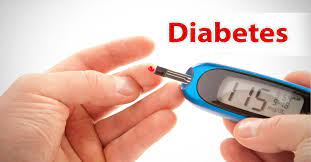
Signs Your Diabetes Needs Attention
You checked your blood sugar after feeling unusually tired for several weeks. The reading was higher than expected. You told yourself it was probably because you had eaten something sweet the night before, so you decided to “watch it” for a while.
A few weeks later, the readings are still high. Maybe you're also feeling thirsty more often, using the bathroom frequently, or struggling with unexplained tiredness. At this point, the question becomes simple: Do I need a diabetologist, or can my regular doctor manage this?
The answer depends on your blood sugar levels, symptoms, risk factors, and how well your diabetes is being controlled.
Start With the Right Specialist
A diabetologist is a doctor who focuses on diabetes and related metabolic conditions. They don't simply look at your sugar reading and prescribe medicine.
diabetes care involves looking at your blood sugar pattern, diet, weight, blood pressure, cholesterol, medicines, lifestyle, and possible complications together.
For people looking for diabetes care in Rohini sector 15, the important thing is not simply finding a doctor who treats diabetes. You want someone who can help you understand what is happening and build a plan you can realistically follow.
Your Sugar Readings Tell a Story
One high reading does not always mean that you have diabetes. But repeated abnormal readings should not be ignored.
You may benefit from seeing a diabetologist if:
-
Your fasting or post-meal sugar remains high.
-
Your HbA1c is above the recommended range.
-
You have recently been diagnosed with diabetes.
-
Your sugar fluctuates sharply during the day.
-
Your current medicines are no longer controlling your levels.
-
You are experiencing frequent low-sugar episodes.
-
You have diabetes along with high blood pressure or cholesterol.
-
You have symptoms such as excessive thirst, frequent urination, blurred vision or unexplained tiredness.
-
You are concerned about kidney, eye, nerve or foot-related complications.
You don't have to wait until diabetes becomes difficult to manage.
The Numbers Are Bigger Than You Think
The scale of diabetes makes early and consistent care even more important.
According to the 2025 International Diabetes Federation Diabetes Atlas, India had an estimated 90 million adults aged 20–79 living with diabetes in 2024. That makes India one of the countries carrying a very large share of the global diabetes burden.
The practical lesson is not to panic about the number. It is to take your own readings seriously instead of assuming diabetes is something that can be dealt with later.
Don't Wait for Symptoms
Here's a common mistake we see: people assume that they only need a diabetologist when they start feeling unwell.
That's not necessarily true.
Diabetes can remain surprisingly quiet for years. Someone may feel perfectly normal while blood sugar is gradually affecting blood vessels, nerves, kidneys or eyes.
This is why regular monitoring matters even when you feel fine.
Your Family History Matters Too
If your parents or siblings have type 2 diabetes, your risk may be higher.
Other factors can also matter, including excess weight, limited physical activity, previous gestational diabetes, high blood pressure, abnormal cholesterol and a history of prediabetes.
A diabetologist can help you understand your overall risk rather than focusing on one isolated number.
A Better Approach Than “Just Avoid Sugar”
Here is the contrarian insight many people need to hear:
Diabetes management is not simply about avoiding sweets.
Cutting down on sugar is useful, but diabetes is much more complicated than eating fewer sweets.
Portion sizes, total carbohydrate intake, physical activity, sleep, stress, medication timing, weight, and other health conditions can all affect glucose levels.
We often advise patients to stop thinking about diabetes as a punishment for eating the “wrong” food. The goal should be a sustainable routine that you can follow for years.
Treatment Should Fit Your Life
Two people with the same diabetes diagnosis may need very different plans.
One person may need medication changes. Another may benefit greatly from improving meals, walking regularly and losing excess weight. Someone else may need closer monitoring because of kidney or cardiovascular risk.
The right treatment is therefore not always the most complicated treatment.
It is the treatment that addresses your medical needs while fitting realistically into your daily routine.
A Simple Patient Example
Consider a working professional in their 40s who discovers an elevated HbA1c during a routine health check.
Initially, they feel completely normal and decide to reduce sweets on their own. After a few months, their readings remain inconsistent because meals, exercise and medication decisions are being made without a clear plan.
After consulting a diabetes specialist, the focus shifts from “avoiding sugar” to understanding the complete pattern: meal timing, activity, weight, medication adherence and regular monitoring.
The important result in such a situation is not simply a better number on one test. It is having a clear, repeatable system for managing diabetes instead of guessing what to do every day.
What a Diabetologist Actually Checks
A proper consultation may involve much more than checking blood glucose.
Depending on your situation, your doctor may review:
-
Fasting and post-meal blood sugar
-
HbA1c
-
Blood pressure
-
Cholesterol levels
-
Kidney function
-
Weight and waist measurements
-
Current medications
-
Diet and physical activity
-
Family history
-
Foot and nerve health
-
Eye-related concerns
-
Risk of diabetes-related complications
This broader view is one reason specialist care can be valuable when diabetes becomes difficult to control.
Meet Dr. Vipul Rustgi
Dr. Vipul Rustgi focuses on practical, patient-friendly diabetes management, helping patients understand their condition rather than simply following prescriptions without context. His approach emphasizes regular monitoring, appropriate treatment, lifestyle changes and reducing the risk of long-term diabetes complications through consistent care and follow-up.
Main Specialties
Our diabetes-focused care commonly covers:
-
Diabetes diagnosis and management
-
Type 1 and Type 2 diabetes
-
Prediabetes management
-
Blood sugar monitoring
-
HbA1c evaluation
-
Diabetes-related lifestyle guidance
-
Diabetes with hypertension and cholesterol problems
-
Prevention and monitoring of complications
-
Weight and metabolic health
-
Long-term diabetes follow-up
The Goal Is Control, Not Perfection
You don't need to become perfect overnight.
If your eating habits are inconsistent, start by improving one meal. If you rarely exercise, begin with manageable daily movement. If you keep forgetting medication, work with your doctor to make your routine easier.
Diabetes is a long-term condition, so the plan needs to work on ordinary days—not just when motivation is high.
Three Questions Patients Commonly Ask
1. Do I need a diabetologist if I have just been diagnosed with diabetes?
You may benefit from an early consultation, especially if your readings are significantly elevated or you have other health conditions. Early guidance can help you understand treatment and reduce future complications.
2. Can a general physician treat diabetes?
Yes, many general physicians manage diabetes, particularly straightforward cases. A diabetologist can be especially useful when sugar levels remain uncontrolled, medicines need adjustment, complications are suspected, or your condition is more complex.
3. What tests should I take before seeing a diabetologist?
If available, bring recent blood sugar readings, HbA1c, lipid profile, kidney-function reports and a list of your current medicines. Your doctor can then decide whether additional tests are needed.
Take the Next Step
If your sugar readings have been repeatedly high, your HbA1c is concerning, or you are struggling to manage diabetes despite making changes, don't keep guessing.
Getting professional guidance early can make diabetes easier to manage and help you protect your health for the long term.
For reliable diabetes care in Rohini sector 15, schedule a consultation with Dr. Vipul Rustgi a diabetologist and bring your recent reports, medicines and blood sugar records. A clear understanding of your current condition is the first step toward a diabetes plan you can actually live with.
- Diabetes Care in Rohini Sector 3
- Diabetes Care in Rohini Sector 4
- Diabetes Care in Rohini Sector 5
- Diabetes Care in Rohini Sector 6
| Tags: | #Diabetes Care in Rohini Sector 7 , #Diabetes Care in Rohini Sector 8 , #Diabetes Care in Rohini Sector 9 , #Diabetes Care in Rohini Sector 10 |


